
How to Safely Move a Piano: Professional Insights from Houston Experts


Understanding the Challenges of Moving a Piano
Moving a piano is not just about muscle power; it's a task that requires precision, planning, and expertise. Pianos are not only heavy but also intricate instruments that can easily be damaged if not handled properly. Whether you own an upright or a grand piano, understanding the challenges involved is the first step towards a successful move.
The weight and size of pianos make them particularly challenging to maneuver through narrow doorways and staircases. Additionally, their delicate internal components, such as strings and hammers, need to be protected during the move to prevent costly repairs.
Preparing for the Move
Before you begin the moving process, it's essential to prepare both the piano and the environment. Start by measuring the dimensions of the piano and the doorways it needs to pass through. This helps in planning the best route and determining if any disassembly is required.
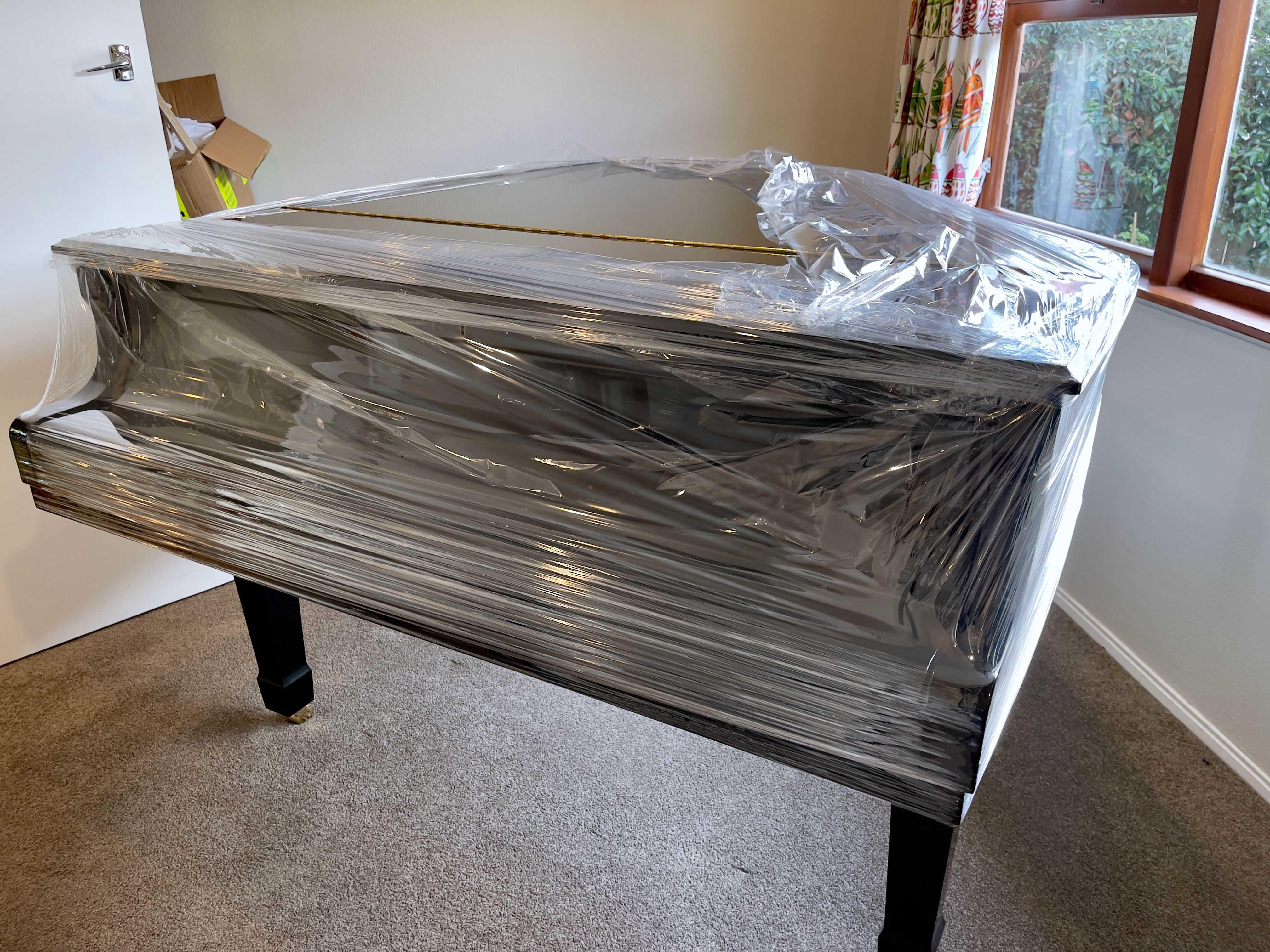
Securely close the lid and wrap the piano with moving blankets to protect its finish. Use strong tape to secure the blankets, but avoid taping directly onto the piano surface to prevent damage. It's also wise to remove any detachable parts, such as music stands or pedals, and pack them separately.
Gathering the Right Equipment
Having the right equipment is crucial for a safe piano move. This includes moving dollies, straps, and padding. For grand pianos, a piano board may be necessary to support the weight and shape during transport. Ensure that all equipment is in good condition to prevent accidents.

Hiring Professional Movers
While moving a piano on your own is possible, hiring professional movers, especially those experienced in handling pianos, is often the safest option. Professionals have the experience, equipment, and manpower to move your piano efficiently and safely.
When choosing a moving company, look for those with specific experience in piano moving. Check reviews and ask for references to ensure their reliability and expertise. Discuss your piano's specific needs and any challenges involved in the move.
The Moving Process
On moving day, clear the path of any obstacles and ensure that the movers have a clear understanding of the layout. Professional movers will typically use dollies and ramps to facilitate the move, ensuring that the piano remains level to protect its internal components.
Post-Move Considerations
Once your piano has been safely moved to its new location, there are a few more steps to ensure it remains in optimal condition. Allow the piano to acclimate to its new environment for a few weeks before tuning it, as temperature and humidity changes can affect its sound.
Inspect the piano for any signs of damage and report these to the moving company if necessary. Regular maintenance and tuning will help keep your piano in excellent condition for years to come.
Conclusion
Moving a piano safely requires careful planning and attention to detail. Whether you choose to hire professionals or tackle the move yourself, understanding the process and taking the necessary precautions will help ensure that your piano remains in perfect condition during and after the move.